
Autism vs. Intellectual Disability: Understanding Key Differences in Developmental Testing

Understanding the Overlap Parents often wonder whether their child’s developmental differences are related to autism spectrum disorder (ASD), intellectual disability (ID), or both. The confusion is understandable — these conditions can appear similar in early childhood. Both autism and intellectual disability can involve communication delays, social challenges, and learning differences. However, they represent distinct conditions […]
How Genetic Disorders Impact Learning and Behavior

Understanding How Genetics Affect Development Every child develops at their own pace — yet some differences stem from underlying genetic or chromosomal conditions that influence brain development. These conditions, often called neurodevelopmental or genetic disorders, can affect how a child learns, communicates, and interacts with the world. At the Utah Center for Psychological Services […]
Understanding Developmental Disability Testing — What Parents Need to Know

What Is Developmental Disability Testing? When parents notice their child struggling with communication, learning, or behavior, it’s natural to wonder what’s happening beneath the surface. A developmental disability evaluation is a comprehensive process that helps identify how a child learns, processes information, and interacts with others. At the Utah Center for Psychological Services in […]
Autism Evaluation: What to Expect for Children, Teens, and Adults
Introduction An autism evaluation is a specialized process designed to assess communication, behavior, and social functioning. According to the Centers for Disease Control and Prevention (CDC), early identification leads to better access to services and supports, but evaluations can also provide clarity for teens and adults later in life. What Autism Testing Includes History […]
How Forensic Psychological Evaluations Inform Court Decisions

When psychological issues become part of a legal case, courts are often faced with questions that cannot be answered through legal evidence alone. Does a parent have the capacity to safely care for a child? Did a mental illness impair someone’s judgment at the time of an alleged offense? What level of risk does someone […]
Neuropsychological Evaluation: What It Reveals About Brain and Behavior
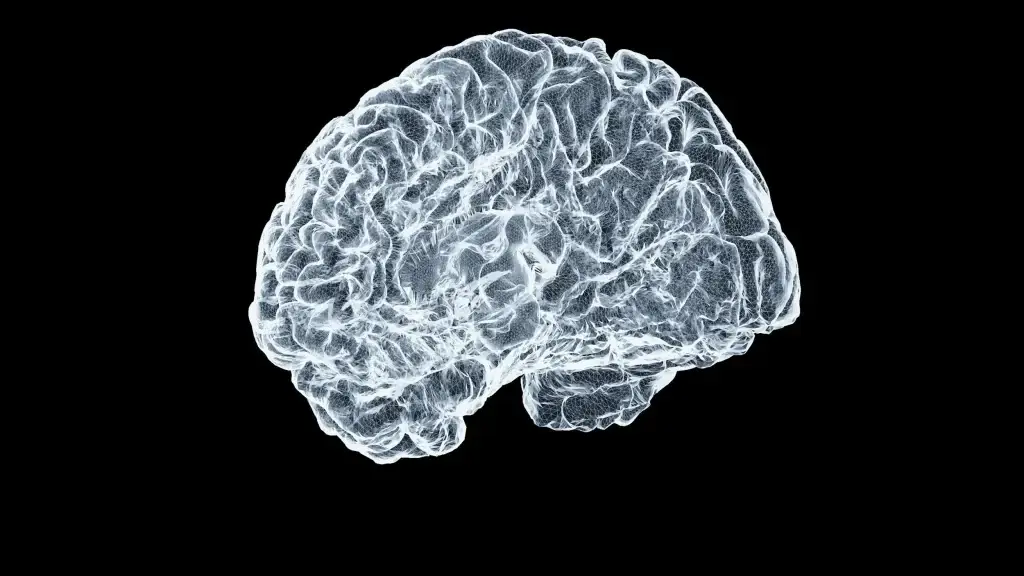
Introduction A neuropsychological evaluation is a comprehensive assessment that links brain functioning to behavior, thinking, and emotions. These evaluations help identify changes related to neurological conditions, brain injuries, and developmental disorders. The National Institutes of Health (NIH) recognizes neuropsychological testing as a gold standard in understanding brain-behavior relationships. Who Might Need One? Individuals with concussions, […]
Fitness for Duty Evaluations – When They’re Required and How They Work

Introduction A fitness for duty evaluation is a type of psychological evaluation for employment that determines whether an employee can safely and effectively perform their job duties. These evaluations are especially important in safety-sensitive roles such as law enforcement, healthcare, aviation, and transportation. According to the American Psychological Association (APA), they help balance workplace […]
ADHD Evaluation for Adults: How Testing Works and Why It’s Increasing

Introduction An ADHD evaluation for adults can provide clarity for those struggling with focus, organization, and restlessness. While ADHD has long been considered a childhood condition, the National Institute of Mental Health (NIMH) confirms that symptoms often persist into adulthood. Why Adult ADHD Is Often Missed Symptoms look different than in children (e.g., procrastination, disorganization). […]
When Is a Psychosexual Evaluation Needed in Legal Cases? Key Indicators for Attorneys

Psychosexual evaluations are among the most specialized assessments conducted within forensic psychology. Yet they’re also one of the most misunderstood. Many attorneys know they may need a psychosexual evaluation but aren’t always sure when it’s appropriate to refer a client or what information the evaluation can actually provide. While these evaluations are commonly associated with […]
The Role of a Forensic Psychologist in Expert Testimony: What Courts Need to Know

When psychological issues become central to a legal case, attorneys and courts often need more than clinical records or diagnostic labels. They need someone who can explain complex psychological concepts in a way that is scientifically accurate, understandable, and directly relevant to the legal questions at hand. That’s where a forensic psychologist serving as an […]