
Women and Autism — The Hidden Signs of a Missed Diagnosis

Why So Many Women Are Diagnosed With Autism Later in Life For decades, autism was understood through a narrow lens—one based primarily on how it presents in boys. This meant that generations of autistic women grew up feeling different, overwhelmed, or “out of step,” without having a name for their experiences. Today, we understand that […]
AuDHD — Understanding the Overlap of Autism and ADHD

AuDHD: When Autism and ADHD Coexist Many people come to our clinic feeling like they don’t neatly fit into a single diagnostic category. They resonate with traits of ADHD and autism but aren’t sure how the two interact or what it means for their daily life. Increasingly, the term AuDHD has emerged to describe individuals […]
Why ADHD Online Tests Miss Important Diagnoses

Why Online ADHD Tests Aren’t Enough (And What They Miss) The rise of quick online ADHD tests has made many people wonder if they can get a fast, simple answer about whether they have ADHD. These tests are everywhere—social media, mental health apps, online clinics—and they promise clarity in minutes. But here’s the truth: Online […]
ADHD vs. Anxiety: How to Tell the Difference

ADHD vs. Anxiety: Why These Two Conditions Are So Often Confused Many people who come to our clinic are unsure whether they’re struggling with ADHD, anxiety, or both. The symptoms can look incredibly similar, and it’s common for people to feel frustrated or confused when trying to make sense of their experiences. In fact, ADHD […]
Supporting Emotional Health in Children with Developmental Disabilities

Emotional Well-Being and Developmental Differences Children and teens with developmental disabilities—including autism, Down syndrome, fragile X syndrome, and fetal alcohol spectrum disorder (FASD)—often experience emotional and behavioral challenges alongside their learning and communication differences. At the Utah Center for Psychological Services in Salt Lake City, we see firsthand how children with developmental conditions may […]
Autism vs. Intellectual Disability: Understanding Key Differences in Developmental Testing

Understanding the Overlap Parents often wonder whether their child’s developmental differences are related to autism spectrum disorder (ASD), intellectual disability (ID), or both. The confusion is understandable — these conditions can appear similar in early childhood. Both autism and intellectual disability can involve communication delays, social challenges, and learning differences. However, they represent distinct conditions […]
How Genetic Disorders Impact Learning and Behavior

Understanding How Genetics Affect Development Every child develops at their own pace — yet some differences stem from underlying genetic or chromosomal conditions that influence brain development. These conditions, often called neurodevelopmental or genetic disorders, can affect how a child learns, communicates, and interacts with the world. At the Utah Center for Psychological Services […]
Understanding Developmental Disability Testing — What Parents Need to Know
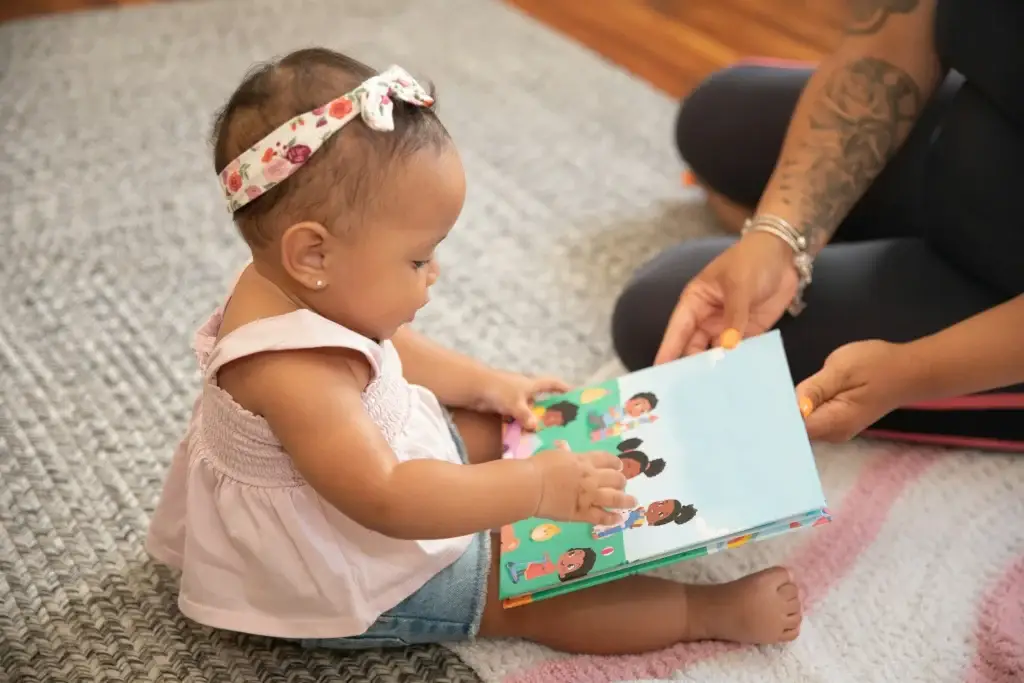
What Is Developmental Disability Testing? When parents notice their child struggling with communication, learning, or behavior, it’s natural to wonder what’s happening beneath the surface. A developmental disability evaluation is a comprehensive process that helps identify how a child learns, processes information, and interacts with others. At the Utah Center for Psychological Services in […]
Autism Evaluation: What to Expect for Children, Teens, and Adults
Introduction An autism evaluation is a specialized process designed to assess communication, behavior, and social functioning. According to the Centers for Disease Control and Prevention (CDC), early identification leads to better access to services and supports, but evaluations can also provide clarity for teens and adults later in life. What Autism Testing Includes History […]
How Forensic Psychological Evaluations Inform Court Decisions

When psychological issues become part of a legal case, courts are often faced with questions that cannot be answered through legal evidence alone. Does a parent have the capacity to safely care for a child? Did a mental illness impair someone’s judgment at the time of an alleged offense? What level of risk does someone […]